
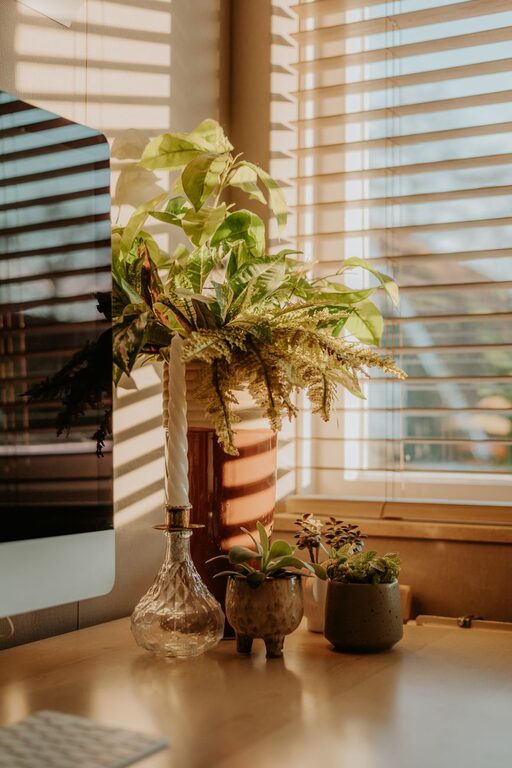
Creating a relaxing home workspace is essential for maintaining focus and reducing stress while working from home. Whether you are freelancing, telecommuting, or managing household tasks, setting up an environment that supports calm and concentration can make a significant difference in your daily routine. This post offers helpful tips to design a workspace that balances comfort and functionality.
Why a Relaxing Workspace Matters
When you work at home, it’s easy for the lines between personal and professional life to blur. A well-designed workspace can help create a mental and physical boundary that encourages productivity. It also provides a place to unwind when needed, reducing burnout and enhancing overall well-being.
Choose the Right Location
Selecting the right spot in your home is the first step toward creating a relaxing workspace.
– Natural Light: Aim for a location with plenty of natural light. Sunlight improves mood and energy levels, making your work hours more pleasant.
– Quiet Area: Find a space away from noisy appliances or high-traffic areas. This minimizes distractions and supports focus.
– Comfort and Privacy: Ideally, pick a corner or room where you can close the door or use room dividers for added privacy.
Invest in Comfortable Furniture
Your choice of furniture impacts both your relaxation and productivity.
– Ergonomic Chair: Use a chair that supports your back and promotes good posture to avoid discomfort during long hours.
– Adjustable Desk: Consider a desk that can be adjusted for sitting or standing, offering flexibility and encouraging movement.
– Decluttered Surfaces: Keep your desk surface tidy with only essential items to promote a stress-free atmosphere.
Make It Personal Yet Calm
Personal touches make a workspace inviting, but it’s important to avoid overstimulation.
– Soothing Colors: Use soft, neutral colors like light blues, greens, or pastels to create a calming effect.
– Plants: Add a few easy-to-care-for plants. They enhance air quality and bring a touch of nature indoors.
– Minimal Decorations: Select a handful of meaningful items such as photographs or artwork that inspire you without distracting.
Optimize Lighting and Screen Settings
Proper lighting reduces eye strain and boosts your mood.
– Layered Lighting: Combine natural light with task lighting and ambient light to create a balanced environment.
– Anti-Glare Screens: Position your computer monitor to prevent glare from windows or lamps. Use an anti-glare screen protector if needed.
– Blue Light Filters: Consider blue light glasses or screen settings with warmer tones in the evening to reduce fatigue.
Keep Supplies Organized
An organized workspace promotes a relaxed mind.
– Storage Solutions: Use drawers, shelves, or containers to neatly store papers, stationery, and tech accessories.
– Cable Management: Tidy up cables using clips or sleeves to prevent clutter and distractions.
– Daily Cleanup: Set aside a few minutes at the end of each day to clear your desk and prepare for the next day.
Create a Calming Routine
Establishing a routine can help your mind associate the space with focused relaxation.
– Morning Rituals: Start work with a calming activity, such as stretching or a few deep breaths.
– Regular Breaks: Take short breaks to stand up, move around, or enjoy a moment of mindfulness.
– End-of-Day Wind Down: Close your workspace by shutting down devices and tidying up; this signals the end of work time.
Use Soothing Sounds and Scents
Background sounds and pleasant aromas can enhance relaxation.
– Ambient Music: Play soft instrumental music or gentle nature sounds to drown out distracting noises.
– Essential Oils or Candles: Use scents like lavender, chamomile, or eucalyptus for a calming atmosphere, but ensure good ventilation and safety precautions.
Maintain Good Air Quality and Temperature
Comfortable air and temperature levels contribute significantly to your work experience.
– Ventilation: Open windows when possible or use air purifiers to keep air fresh.
– Temperature Control: Adjust your thermostat or use fans and heaters to maintain a comfortable room temperature.
Final Thoughts
Creating a relaxing home workspace doesn’t require a large budget or extensive renovations. With attention to lighting, furniture, organization, and personal comfort, you can craft a calming environment that supports your work and well-being. Taking the time to set up a thoughtful workspace is an investment in your productivity and happiness. Try implementing these tips one step at a time and enjoy the positive changes in your daily work routine.
About the Author