Creating an efficient home office space is essential for staying productive and comfortable while working from home. Whether you are freelancing, managing a remote job, or running a small business, a well-organized workspace can help you maintain focus and separate work from personal life. Here are some practical tips to set up a home office that works for you.
Choose the Right Location
The foundation of an efficient home office starts with selecting the best location.
– Pick a quiet area: Look for a spot with minimal distractions, away from high-traffic zones like the kitchen or living room.
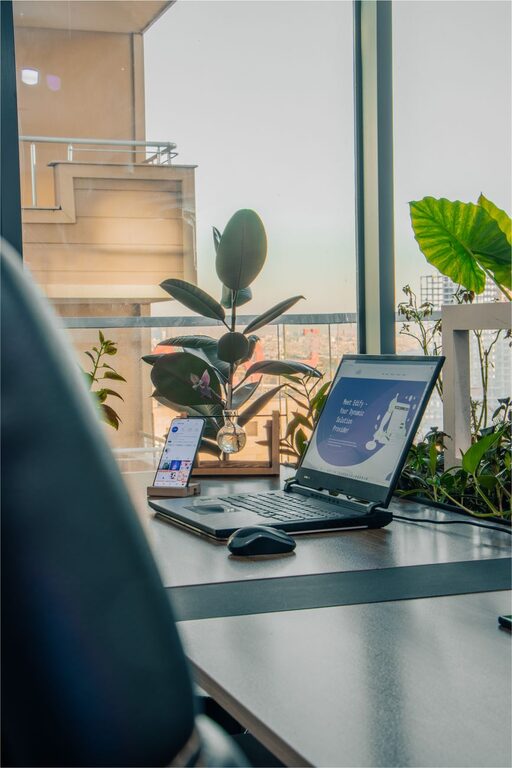
– Consider natural light: Position your desk near a window to benefit from daylight, which can improve mood and reduce eye strain.
– Think about space: Ensure there is enough room for your desk, chair, and any other equipment you need.
If available, a dedicated room is ideal. If not, create boundaries within a shared space using room dividers or shelves.
Invest in Comfortable and Functional Furniture
Comfort and ergonomics play a big role in maintaining productivity.
– Ergonomic chair: Choose a chair that supports your back and encourages good posture.
– Appropriate desk: Your desk should be at a height that allows your elbows to bend at about 90 degrees when typing.
– Adjustable options: Consider adjustable desks or monitor stands to customize your setup.
Proper furniture reduces the risk of discomfort or injury during long work hours.
Organize for Efficiency
An organized workspace helps you focus and reduces time wasted looking for things.
– Use storage solutions: Shelves, filing cabinets, or drawer organizers keep documents and supplies tidy.
– Declutter regularly: Remove unnecessary items to maintain a clean environment.
– Keep essentials within reach: Store frequently used tools like notebooks, pens, or chargers close to your desk.
– Cable management: Use clips or sleeves to keep cords neat and prevent tangling.
Optimize Lighting
Good lighting reduces eye strain and increases alertness.
– Natural light is best: Maximize daylight by placing your desk near windows.
– Supplement with artificial light: Use adjustable desk lamps with warm light for late hours.
– Avoid glare: Position screens and lights to minimize reflections.
Maintaining a well-lit area supports comfort and productivity.
Set Up Reliable Technology
Technology is the backbone of a functional home office.
– Fast internet connection: Ensure your Wi-Fi is strong enough to handle video calls and large file transfers.
– Quality peripherals: Invest in a good keyboard, mouse, and headset or microphone.
– Multiple monitors: If your work involves multitasking, having more than one screen can boost efficiency.
– Backup devices: Consider having backup storage solutions like external hard drives or cloud services.
Personalize Your Space
A workspace tailored to your preferences can encourage motivation.
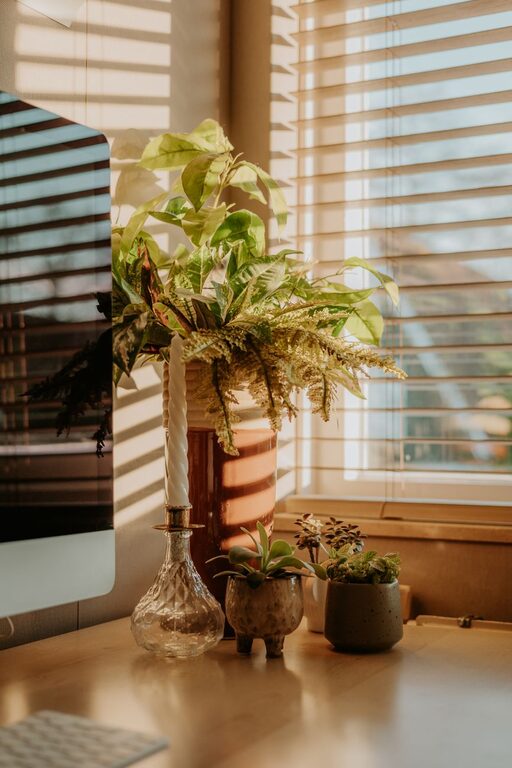
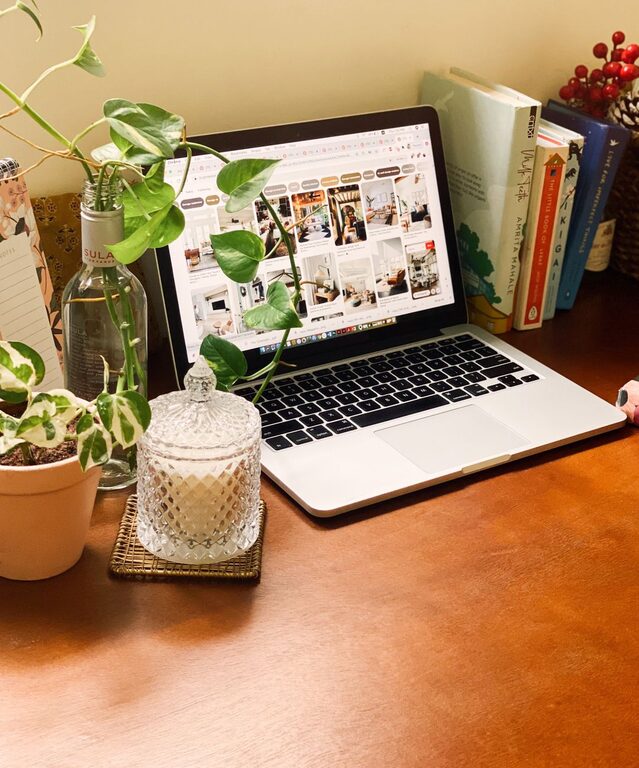
– Add plants: Small indoor plants improve air quality and add a calming touch.
– Incorporate colors: Choose colors that inspire or relax you without being distracting.
– Use artwork or photos: Personal touches can make the space feel welcoming.
– Comfort items: Keep a cozy blanket or cushion handy to increase comfort.
However, avoid excessive decorations that may clutter your workspace.
Establish Boundaries and Routine
Maintaining work-life balance is important when working from home.
– Set working hours: Define specific times to start and end your workday.
– Use a door or signals: Let family members or housemates know when you are working to minimize interruptions.
– Take breaks: Schedule regular breaks to stretch or step outside for fresh air.
– Create a shutdown routine: At the end of the day, organize your desk and turn off work devices to mentally sign off.
Keep Air Quality and Temperature in Check
Comfort also comes from your office environment’s air and temperature.
– Ventilate: Open windows when possible to improve airflow.
– Use air purifiers: These help reduce dust and allergens.
– Maintain comfortable temperature: Avoid spaces that tend to be too hot or cold.
A pleasant environment encourages longer focus and reduces discomfort.
Final Thoughts
Designing an efficient home office is about balancing comfort, organization, and functionality. By carefully choosing your location, investing in ergonomic furniture, keeping your space organized, and personalizing it, you create a productive atmosphere that supports your work goals. Implementing routines and maintaining a comfortable environment also helps you separate work from personal time and stay motivated. With these tips, your home office can become a space where you work efficiently and feel good throughout the day.
About the Author