Keeping a home organized and clutter-free can greatly improve the feel of your space and even your daily routine. Whether you live alone or with family, having a neat, orderly home creates a more relaxing environment and makes it easier to find what you need when you need it. If you’re feeling overwhelmed by clutter or just want to bring more order into your home, these simple tips can help you get started.
Why Home Organization and Decluttering Matter
Before diving into the tips, it’s helpful to understand why organizing and decluttering make a difference. A cluttered space can contribute to feelings of stress and distraction, while an organized home promotes calm and efficiency. Plus, when everything has its place, cleaning and maintaining becomes much simpler.
Now, let’s explore some practical steps to improve your home organization.
Start Small: Focus on One Area at a Time
Trying to organize your entire home in one go can be overwhelming. Instead, choose one area or room to tackle first. This could be a closet, a kitchen drawer, or even just a single countertop.
Benefits of Starting Small:
– Makes the task manageable
– Creates a sense of accomplishment quickly
– Helps establish good organizing habits
Declutter Before Organizing
An important rule is to get rid of items you no longer need before finding storage solutions for what remains. Clutter often comes from holding onto things that are unused, duplicates, or broken.
Steps to Declutter Effectively:
- **Sort items into categories:** Keep, Donate, Recycle, Trash.
- **Be honest:** Ask yourself if you’ve used the item in the last year or if it holds important value.
- **Avoid guilt:** Letting go of things you don’t use or need frees up space and mental energy.
- **Create donation boxes:** Label them and schedule regular drop-offs to keep items moving out.
Use Functional Storage Solutions
Once you’ve decluttered, storage becomes your next focus. Good storage keeps items accessible but out of sight, maintaining a clean look.
Ideas for Smart Storage:
– Clear containers: Easy to see contents without opening.
– Drawer dividers: Keep small items like utensils, office supplies, or cosmetics tidy.
– Shelving units: Make use of vertical space in closets or garages.
– Hooks and racks: Great for bags, coats, or kitchen tools.
– Labels: Help everyone in the household know where things belong.
Establish Daily Habits to Maintain Order
Organization is an ongoing process. To prevent clutter from creeping back, develop simple daily routines.
Helpful Habits Include:
– Putting things back immediately: Avoid the “pile” habit by returning items right after use.
– Nightly quick tidy-up: Spend 10 minutes decluttering common spaces.
– Regular paper sorting: Handle mail and documents weekly to avoid buildup.
– Clean-as-you-go: Particularly in kitchens and bathrooms, cleaning during meals or after grooming saves time later.
Maximize Closet and Cabinet Space
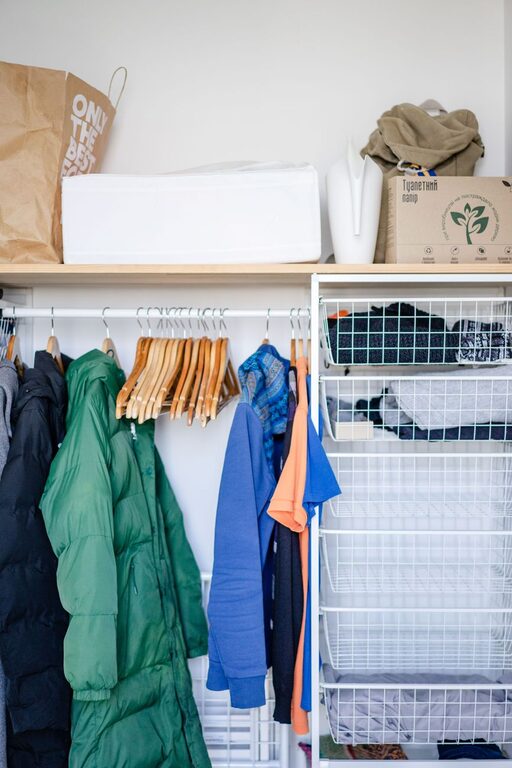
Closets and cabinets tend to get overcrowded quickly. Try these tips to improve storage efficiency and make your belongings easier to access.
– Use uniform hangers to save space and create a neat look.
– Store out-of-season clothes in labeled bins or vacuum bags.
– Add shelf risers or stackable boxes to double storage.
– Install tension rods for hanging scarves or smaller items.
– Arrange items by category and frequency of use.
Make Use of Multi-Functional Furniture
If you live in a small space, furniture that doubles as storage is a great help.
Examples include:
– Beds with built-in drawers
– Ottomans that open for storage
– Coffee tables with shelves or compartments
These pieces reduce clutter by providing hidden storage for blankets, books, or games.
Digitize to Reduce Paper Clutter
Paper clutter is common but manageable. Scanning important documents and storing them digitally saves physical space and makes files easier to organize.
You can:
– Use cloud storage services for access anywhere
– Organize digital files with clear folders and labels
– Shred unnecessary papers after scanning to protect privacy
Create Zones for Activities
Organizing by activity zones helps keep items grouped with where they are used. It also makes tidying easier.
Examples:
– A homework station in the living room with supplies and a desk.
– A reading nook with books, magazines, and a comfy chair.
– A gift-wrapping area with wrapping paper, tape, and scissors.
Involve Everyone in the Household
Maintaining an organized home is much easier when all members contribute. Encourage family members or roommates to take responsibility for their own spaces and clean common areas together regularly.
Final Thoughts
Improving home organization and decluttering your spaces doesn’t have to be a daunting task. By breaking it down into manageable steps, using smart storage solutions, and creating simple habits, you can enjoy a tidier, more comfortable home. Remember, the goal is progress, not perfection, so start small and build on your successes!
About the Author